
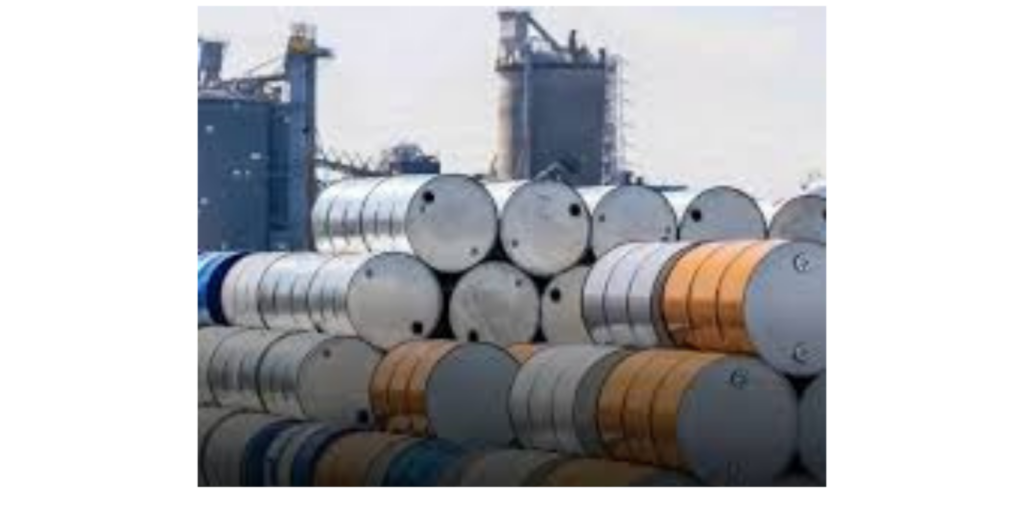
igeria’s crude oil production rose to an average of 1.48 million barrels per day in April 2026, according to data released by the Nigerian Upstream Petroleum Regulatory Commission (NUPRC), although the figure still fell below the country’s quota set by the Organisation of the Petroleum Exporting Countries (OPEC).
A review of the production data by SaharaReporters showed that April recorded the highest average daily crude oil output so far in the 2026 fiscal year, ahead of January’s 1.45 million barrels per day.
March ranked third with 1.38 million barrels per day, while February recorded the lowest output so far this year at 1.31 million barrels daily.
Despite the improvement, April’s production remained below Nigeria’s 1.5 million barrels-per-day quota allocated by OPEC for member countries.
The crude oil figures cited excluded both blended and unblended condensates.
However, when condensates are included, Nigeria’s total daily crude production rose significantly. In April, combined crude oil production stood at 1.663 million barrels per day. The figure was 1.546 million barrels daily in March, 1.483 million barrels daily in February, and 1.627 million barrels daily in January.
Overttime there have been concerns on Nigeria not maximising it’s potentials in terms of crude oil production with issues such as sabotage, corruption and poor infrastructure blamed.
In March 2026, SaharaReporters reported that Nigeria had significantly reduced the time required to approve applications aimed at reviving idle oil wells, cutting the process from weeks to just hours, as Africa’s leading crude producer moved to take advantage of rising global energy prices.
According to Bloomberg, the Nigerian Upstream Petroleum Regulatory Commission had begun approving permits within hours of submission, according to sources familiar with the process who spoke on condition of anonymity because they were not authorised to speak to the media.
With crude oil prices trading near $100 per barrel at the time, major African producers, including Nigeria and Angola, were seeking to benefit from growing demand as buyers turned to alternative suppliers amid heightened tensions in the Middle East. Nigeria also accelerated approvals for evacuations and barges at production facilities and export terminals in a bid to boost output.
The development followed comments by the Group Chief Executive Officer of the Nigerian National Petroleum Company Limited, Mr. Bayo Ojulari, who said the country was prepared to increase oil production by about 100,000 barrels per day over the next few months to help offset global supply disruptions triggered by the US-Israel war on Iran.
A spokesman for the regulator confirmed the move, stating that “speedy approvals” were being granted “for all activities that could increase production.”
Global oil prices surged above $100 per barrel following the escalation of the US-Israel war on Iran and Tehran’s countermeasures, including the blockade of the Strait of Hormuz, a major global energy shipping route responsible for nearly 20 per cent of worldwide crude oil and liquefied natural gas flows.